A Project Built from Years in the Field
Africa’s Predator Expeditions is a ClementWild Productions project exploring human–predator coexistence through film, science and field expeditions across Africa.
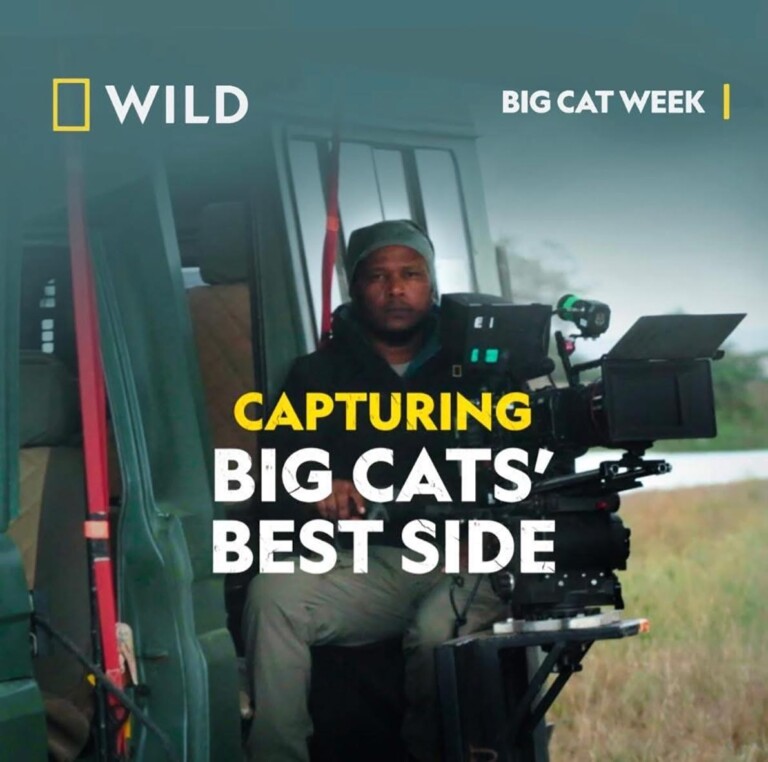
Long before the black leopard story began, much of our work had already been shaped by predators. Since 2013, ClementWild has led Big Cat Expeditions and documented predators across different African landscapes, learning their behaviour, understanding their movement and developing the patience required to work in environments where encounters are never guaranteed. That experience became the foundation for this project.
As a cameraman, I have always been fascinated by predators. Not because of their power or reputation, but because of the role they play in maintaining balance in nature. Too often, predators are misunderstood and seen only as dangerous animals, defined by conflict or fear. Yet without them, ecosystems would quickly fall out of balance. In reality, the moments when predators hunt and feed make up only a small portion of their lives. Most of their time is spent navigating the landscape, raising their young and adapting to ever-changing conditions. Increasingly, those conditions are shaped by human pressure.
Across Africa, predators face growing challenges. Habitat loss, expanding human settlement and conflict over livestock have reduced the space available for wildlife. Many predators today are raising their young in landscapes that are smaller and more fragmented than those their species occupied just a few decades ago. Understanding these dynamics changed how I approached my work.
Documenting predators requires more than technical skill. It requires preparation, deep observation and respect for the rhythms of the landscape predators call home. It also requires learning from the people who live alongside wildlife every day. Those lessons made it possible to approach the black leopard story with confidence and discipline, and to work responsibly in a place where people, livestock and wildlife share the same land.
The Black Leopard Chapter
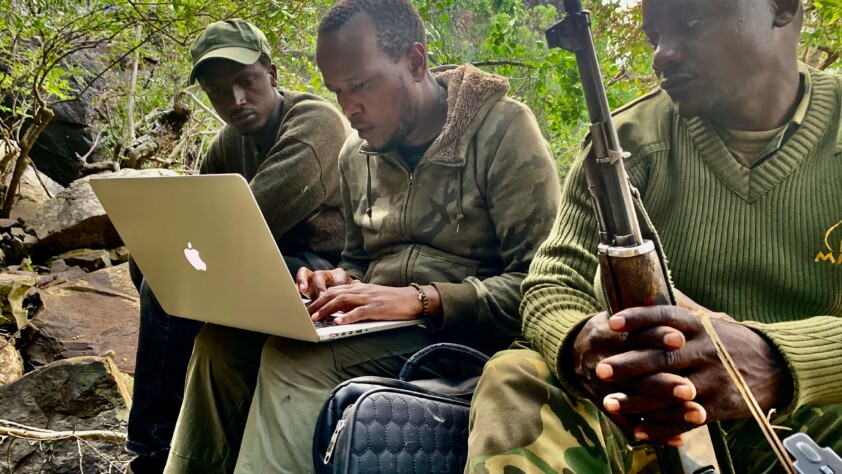
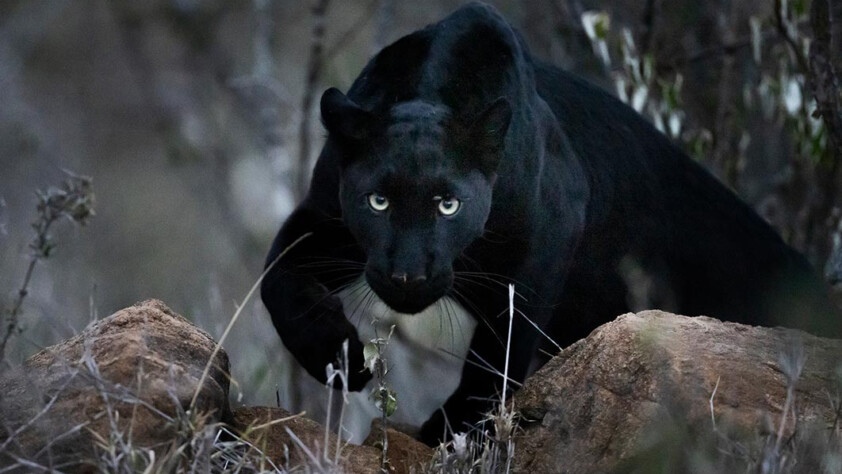
Our first chapter of this project began at the Mpala Research Centre, a landscape defined by resilience, coexistence and the daily rhythms of people, livestock and wildlife. Over multiple expeditions between 2022 and 2026, our team worked alongside rangers, researchers and local communities to document predator behaviour and the realities of living in a shared landscape.
Over four years, we returned to the same landscape in northern Kenya.
Not chasing sightings.
Not chasing Black Leopard headlines.
Returning to listen.
To observe.
To learn.
We placed camera traps across valleys and learned from the people who have lived on this land for generations. Through sun and storm, through seasons of uncertainty and return, the work continued quietly and consistently, guided by patience and respect for place. This long-term commitment shaped not only a film, but a philosophy.
Why Predators Matter
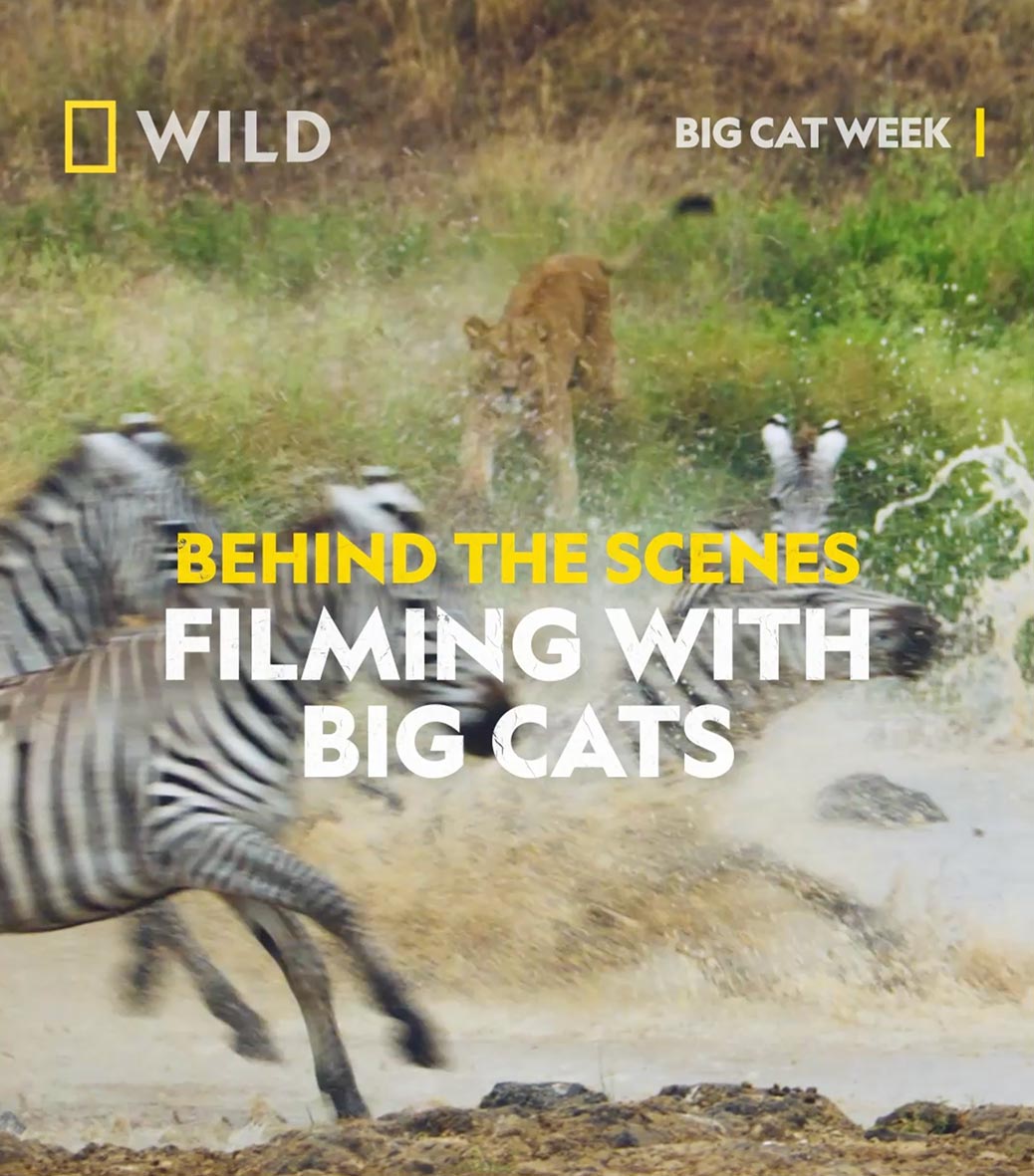
Predators are often associated with fear. They are seen as threats, as animals that take life rather than sustain it. But the reality is more complex. Predators play a critical role in shaping the landscapes they live in. Their presence influences how herbivores move, where they graze and how ecosystems function. In many ways, predators help maintain balance by guiding the behaviour of other species. Remove predators from the system, and that balance begins to fall apart.
During our work in Laikipia, we were reminded of this idea through conversations with scientists and conservationists working in the region, including National Geographic Explorer Dr Dino Martins, who often speaks about how predators create what scientists call a landscape of fear. This does not mean chaos or danger. It means influence. When predators are present, herbivores change how they move across the land. They avoid certain areas, shift their grazing patterns and remain alert. This behaviour allows vegetation to recover, supports biodiversity and helps maintain the balance of the ecosystem.
Understanding this relationship has been central to our work. It is why we remain committed to documenting predators over many years, and why this project exists today. Not to sensationalise predators, but to help people understand their place in nature and the importance of protecting them.
From Experience to Responsibility
The black leopard story was not the beginning of this journey. It was a continuation of years spent working with predators and learning how to document them responsibly.
Searching for one of the world’s rarest cats required resilience, patience and trust in the process. It required working across challenging terrain, adapting to changing conditions and relying on the knowledge of the people who understand the landscape best. On the next blog, you will get to meet some of the amazing humans who make the Black Leopard story come to life.
That experience reinforced something we had already learned. Predators are not isolated stories; they are part of complex ecosystems that unfold over time. Africa’s Predator Expeditions was created to document those realities through sustained fieldwork, careful observation and collaboration with local communities. The black leopard became our first story, the pilot that demonstrated what long-term commitment and preparation can achieve.
But it is only the beginning.
I have always believed that the only way to truly understand wildlife is to stay with it long enough to listen.
To return to the same place through changing seasons.
To observe behaviour as it unfolds naturally.
Immersion takes time.
Patience takes discipline.
And understanding takes commitment.
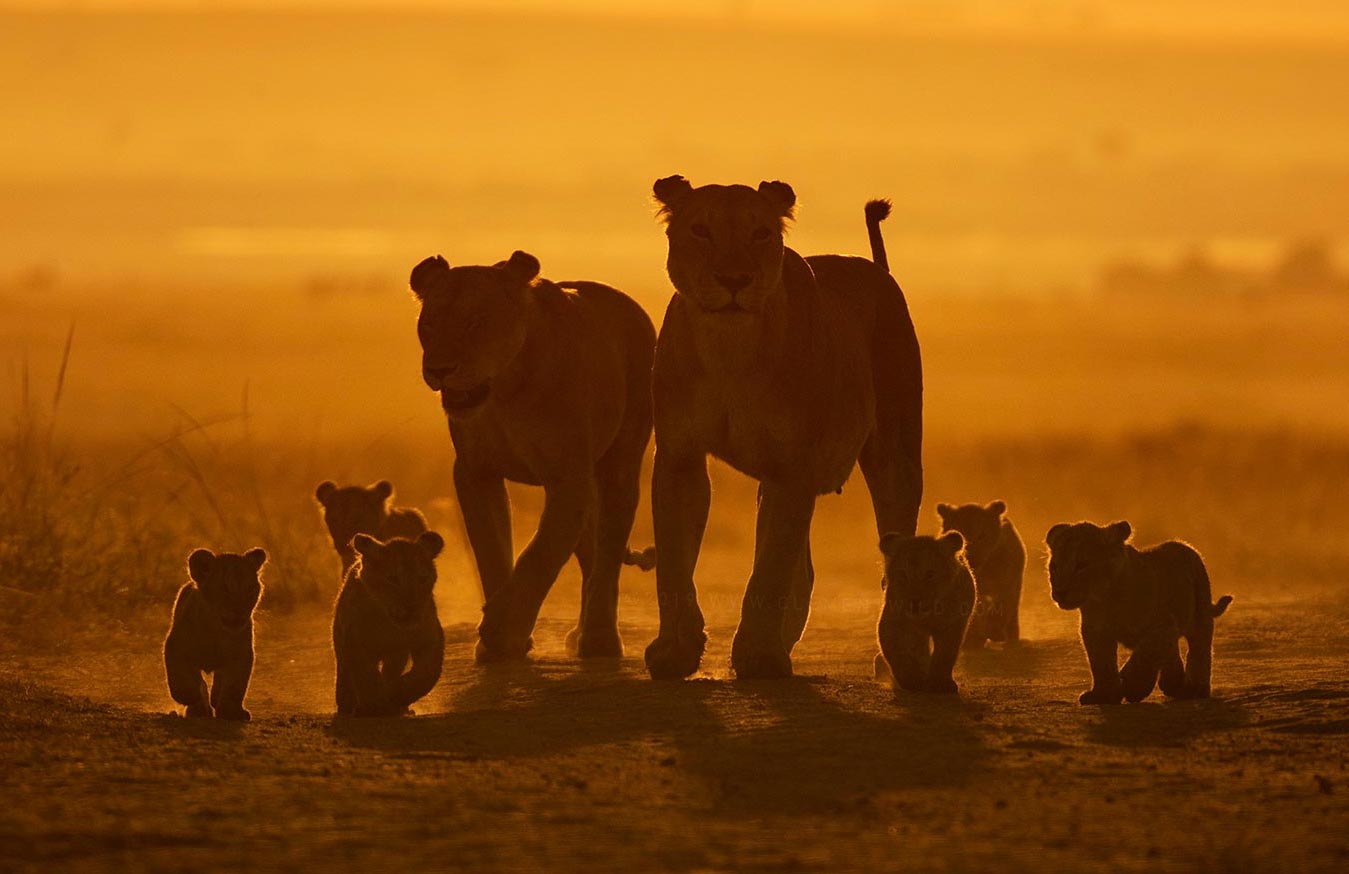
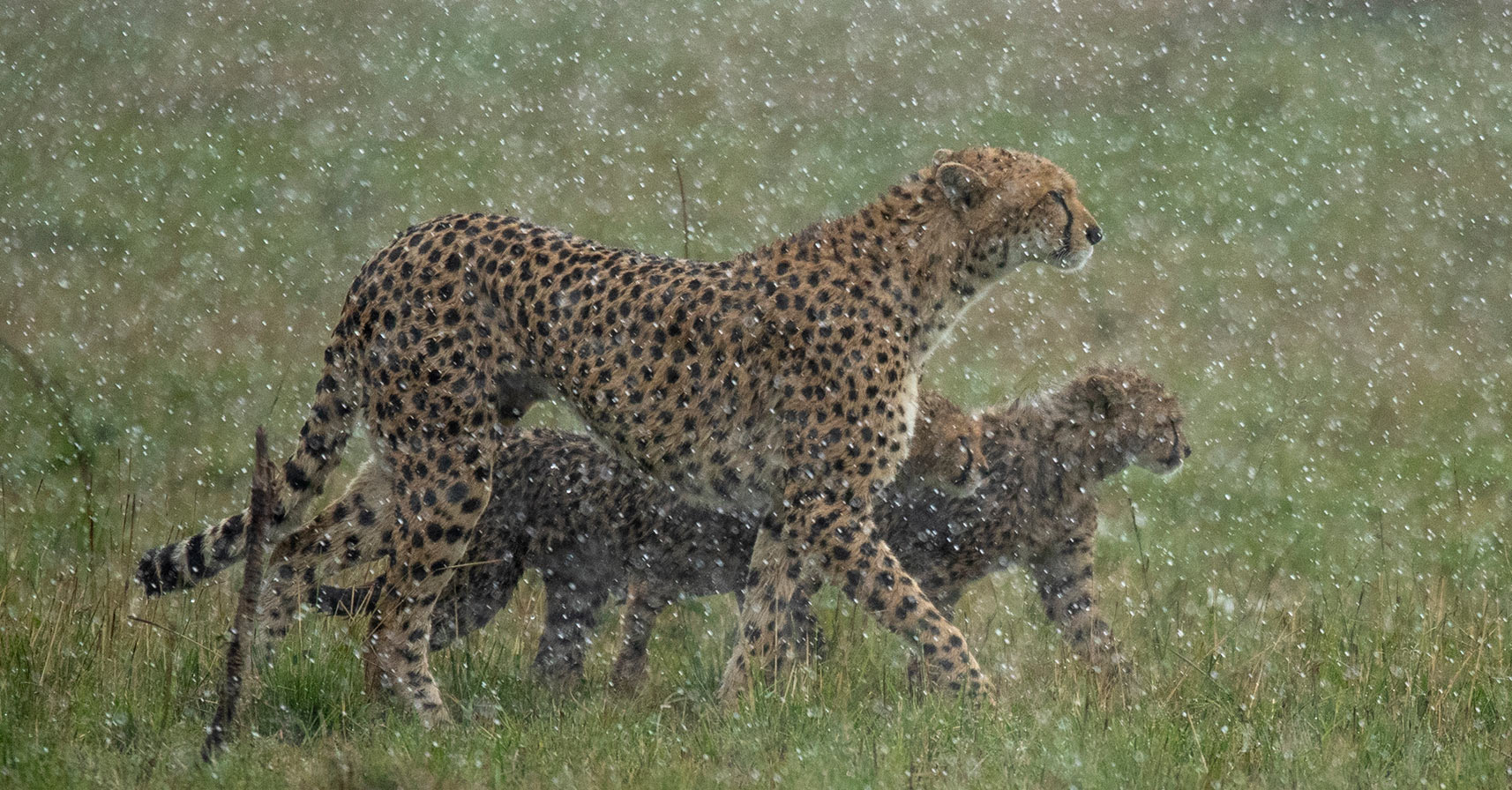
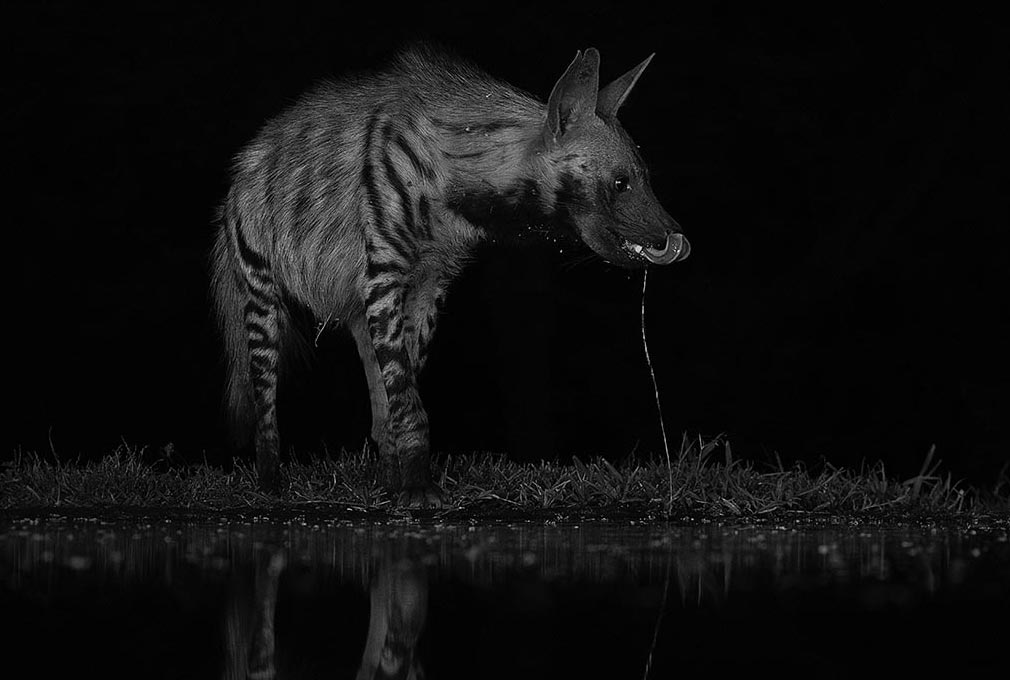
Future chapters will explore the lives of other predators across Africa, including lions, hyenas and cheetahs, and the people who share the landscapes they depend on.
Looking Ahead
As we prepare to share our first film from Laikipia, this project enters a new phase. What began as a difficult search, one that required years of patience, fieldwork and resilience, has become proof of what long-term commitment can achieve. We set out to understand a rare predator, and through persistence and collaboration, we succeeded in documenting a beautiful story of coexistence.
But the work is not finished. Across Africa, many predator stories remain untold. Landscapes continue to change. Communities continue to adapt. And the need for careful, factual storytelling has never been greater. Africa’s Predator Expeditions will continue to follow predators across the continent, documenting their lives, supporting coexistence and creating opportunities for others to learn directly from the field.
Fund the Next Predator Stories
Our next chapter includes the development of new predator stories, including hyenas, lions and cheetahs. These are ambitious stories that require time in the field, careful preparation and sustained collaboration with communities, researchers and conservation partners.
Producing responsible wildlife films begins long before the camera rolls. It begins with listening, planning and building trust in the landscapes where these stories unfold. Your support makes that possible.
A fun way to contribute is by joining our Predator Expeditions. All profits from our expeditions will go directly toward developing these next predator stories. You can support this work by booking an Educational Predator Expedition and becoming part of the journey from field observation to finished film.
Your generous support helps us:
- Develop current ideas into short films
- Gain responsible access to wild places and document wildlife stories grounded in science and lived experience
- Train emerging African wildlife storytellers
- Build long-term conservation storytelling initiatives
We also welcome collaborators, partners and institutions who believe in long-term storytelling and responsible wildlife conservation.
Every contribution helps keep the work moving forward. Because meaningful stories take time, patience and continued presence in the field.
Support the next predator story.
Clement Kiragu
Expedition Leader | National Geographic Explorer | Filmmaker